Refresh Yourself
Working out, after the excellent 2025 edition of Re:fest, why Jazz Re:freshed has put the pep in my step this past year

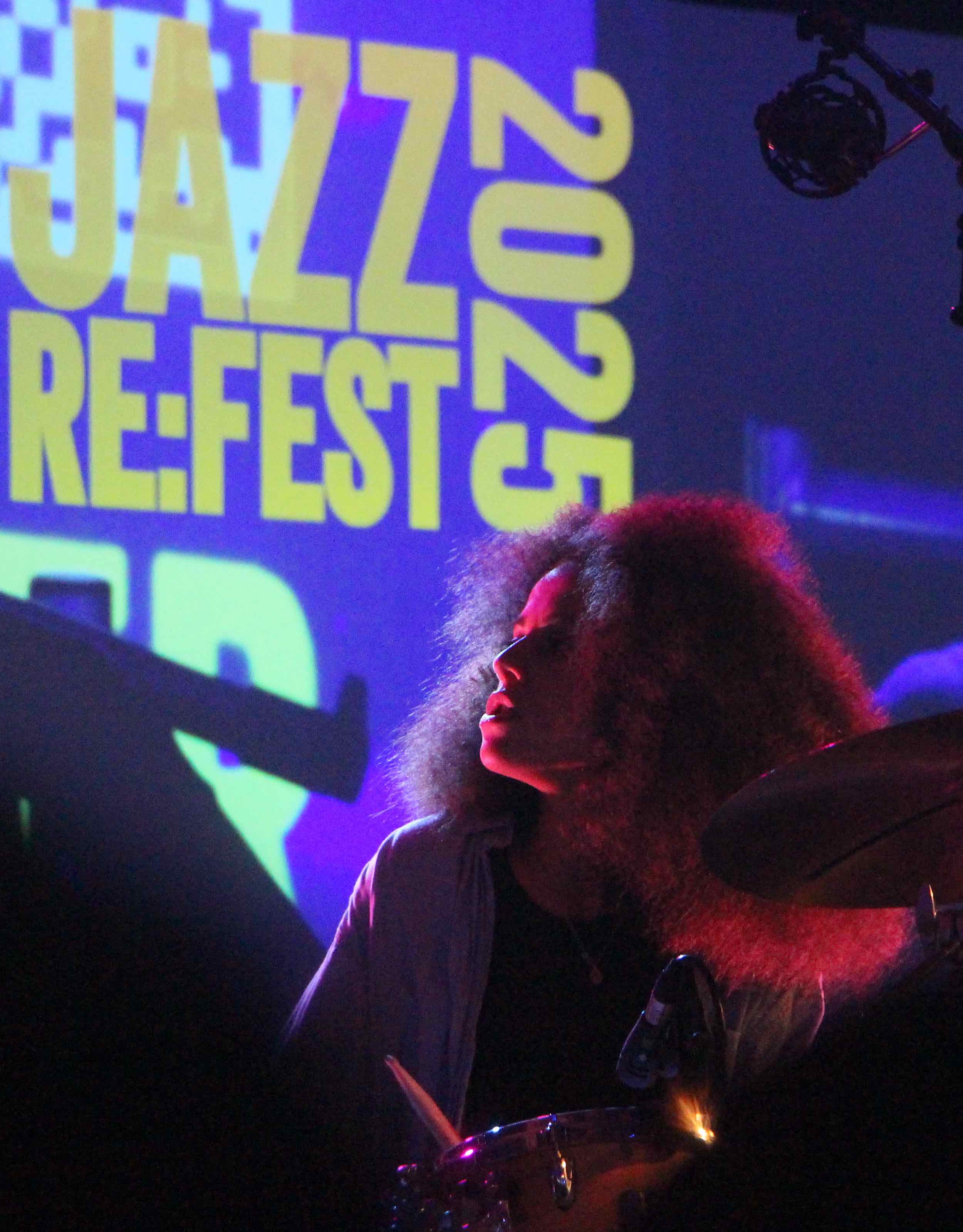
For one reason or another live music hadn't been as important a part of my life since the turn of the century, but over the last year I've found myself going to loads more gigs, and getting more out of them than I ever have done before. It is certainly not just a coincidence that it's a little under a year ago that I started to make Jazz Re:freshed's Thursday night weekly session at 91 Living Room, Brick Lane, a regular port of call. I've been fortunate enough to experience an abundance of great live music lately, much of it taking place elsewhere and with nothing to do with Jazz Re:freshed. But their nights have been a critically important part of why live music has taken up such a central place in my life once again. Following the undiluted delight that was the 2025 edition of Jazz Re:fest - the organisation's free one-day festival, which took place at the Southbank Centre this past Saturday - I'm going to use this piece as a way of trying to explain why. And maybe, in the process, to understand it better myself.
Every Jazz Re:freshed gig starts in the same way, with one of the non-profit's founders noting that the organisation has been putting on live music every week - give or take - for 22 years, welcoming audience members new and old, often asking there's any first-timers in, and letting them know that they're welcome by saying "you're now part of the family." And before handing over to the artists finishing setting up behind them, we're gently but forcefully reminded all that we're there for the music, and that if we'd prefer to chat during the band then we can always go outside. The effect is to immediately make everyone in the room feel a part of something special, and what follows never fails to live up to that promise - whether it's the occasional overseas guest (often playing with a pick-up band sourced from the London scene), a low-key appearance by an established name,1 or, more often than not, three or four 23-year-olds you've never heard of but who play music at the kind of genius level you don't expect to see outside of your wildest dreams: and certainly not on a stage six inches high, in a room that holds a couple of hundred people, and when you've paid less than £7 to get in. And every gig ends in the same way, too, with the audience in raucous applause, before we're encouraged to support the artists by buying their music - on physical formats, or on Bandcamp - rather than streaming it, because, as is usually pointed out, buying one track for £1 on Bandcamp puts more money in the artist's pocket than streaming the same track a thousand times. (And lest anyone think JRF aren't putting their money where their mouths are, every penny from ticket sales goes to the artists.)
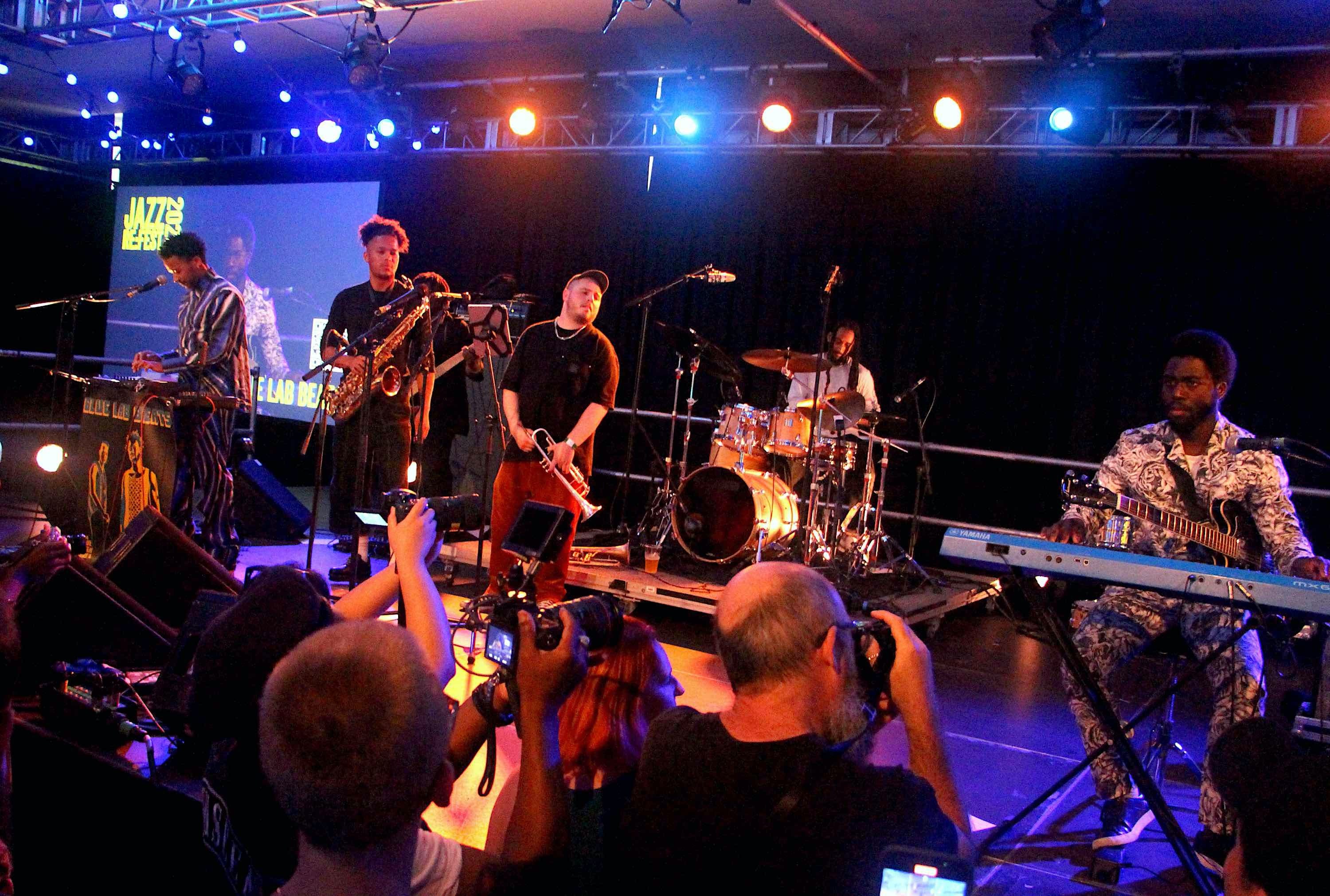
The effect of this - on this individual, at least - is transformative. Sometimes you'll go to a gig and the band comes on, the between-sets music fades out, the audience starts to applaud, the artist begins to play - which is great, obviously; it's what you're there for. Yet as an individual you can end up feeling on the outside somewhat. Particularly if it's a venue you've not been to before or an artist you've never seen play, it can seem like everyone else there knows what's happening and why, and you're just going to have to follow along and work it out for yourself. Clearly, that's not exactly difficult or challenging or even something that it would strike you as being worth remarking on - until you've been somewhere where they do it differently, and can feel what that difference does. The introduction brings everyone in and ensures nobody is left on the outside. I usually go to Jazz Re:freshed on my own, but I never feel alone. And the outro sends us off back to our individual lives feeling not just part of something, but empowered, too - because we've been given some simple instructions that, if we follow them, mean we can help to make a real, tangible difference to the musicians we've just spent an hour receiving power and electricity and emotional sunlight from.
If the weekly sessions are unusually welcoming and involving, Jazz Re:fest is even more inclusive. Every artist gets an intro, and every "call to action" to support them is accompanied by pointing out the adjacent and very well-appointed merchandise pop-up shop - which, as if to emphasise that "family" point, is staffed by the partners and teenage children of the Jazz Re:freshed founders and staff. Representatives from the charity ACLT - the African Caribbean Leukaemia Trust - are invited up on stage to speak a couple of times during the afternoon, and their table is mobbed afterwards by people of all ethnicities signing up to donate blood or bone marrow. And the Southbank Centre is an all-ages venue, so there are pre-teen kids in the audience for every band, possibly seeing live jazz for the first time, probably feeling a seed being sown that will bloom in years to come into a love for the music or even sparking the desire to join the ranks of those on stage. Put it all together, and it's easy to see why the musicians Jazz Re:freshed supports are so vibrant: they're not brands creating products that reach a marketplace - they're living, breathing, growing and flourishing organisms in a vibrant ecosystem that JRF helps tend, nurture and nourish.
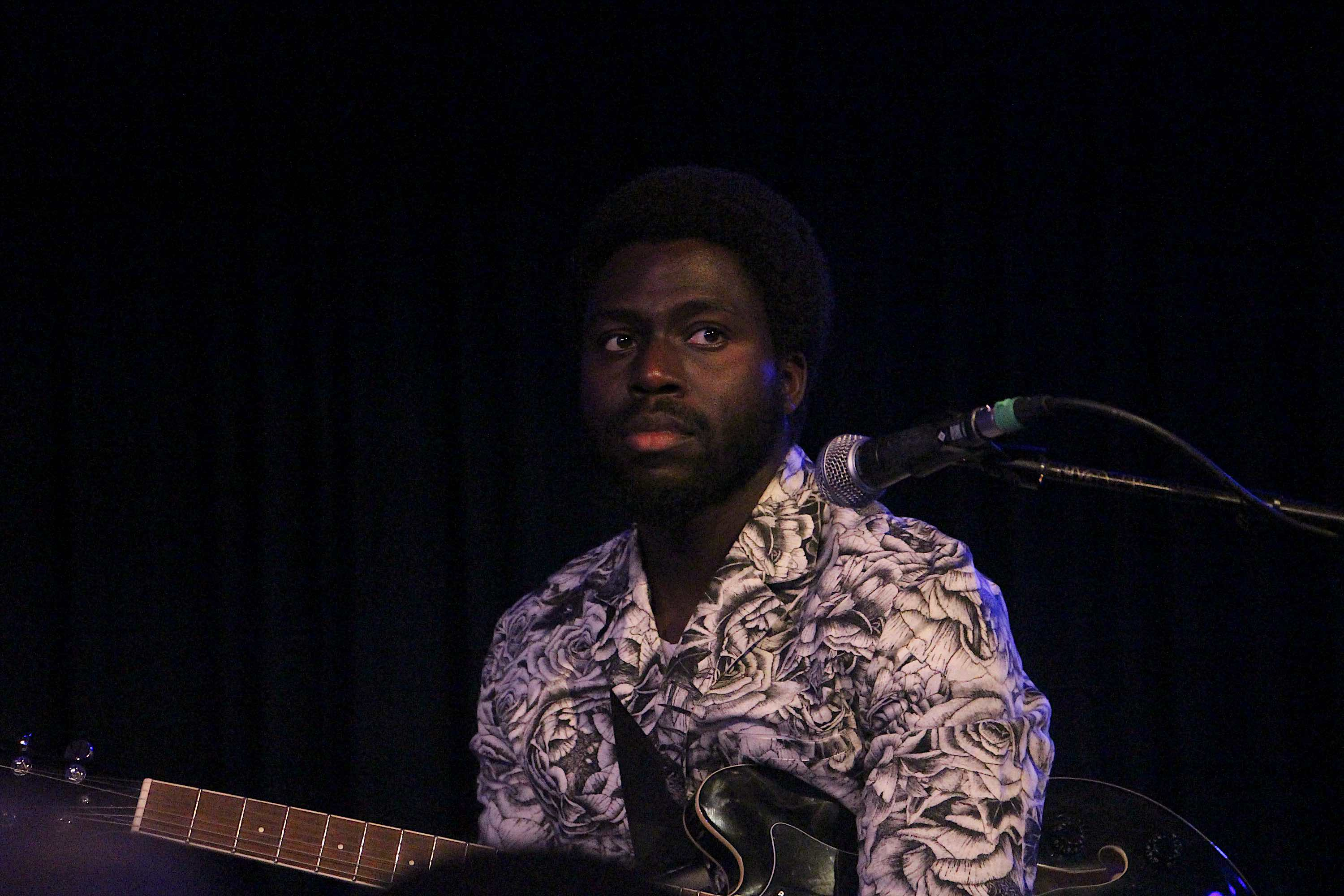
Other organisations, of course, have been vital in helping to develop this hugely inspiring scene, and arguably the main other one was never going to be far from the thoughts of those present at Re:fest. During their headline set, Blue Lab Beats' Mr. DM acknowledges the critical role played not just for his band but almost everyone active in the UK's astonishing improvised music world by Tomorrow's Warriors, whose weekly sessions of instruction and inspiration take place a floor below the Clore Ballroom, Re:fest's main stage. "This is hallowed ground," he says, thanking the organisation in general and founders Gary Crosby and Janine Irons specifically.
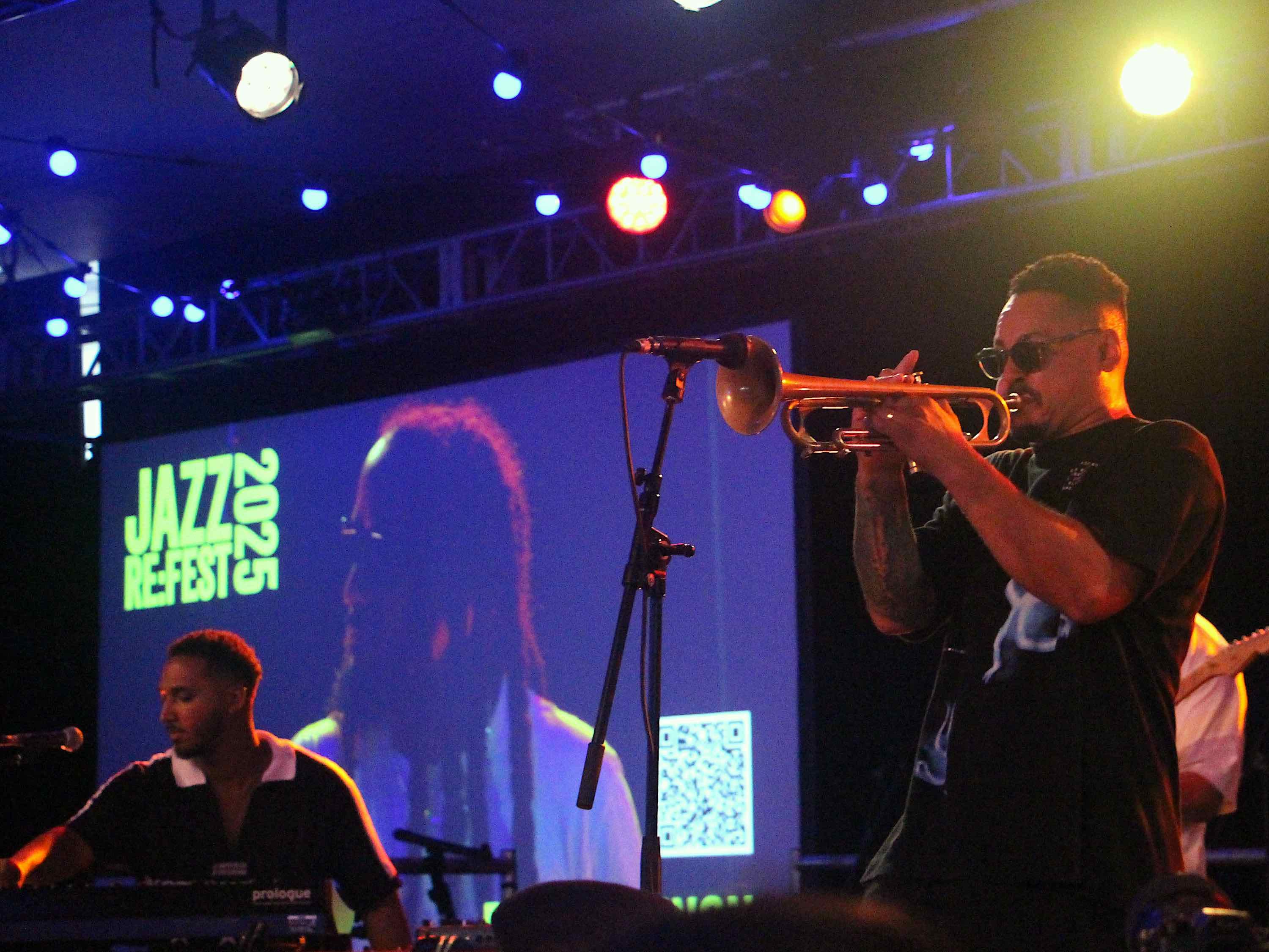
Just as important - and tied to the idea that when JRF talk about "family" they're not just reaching for a handy cliche but choosing the word carefully and using it very precisely - is the extraordinary degree of camaraderie and collaboration that exists between the musicians. It's at its most obvious towards the end of Re:fest, as drummer Lox puts in a double shift, his stint on the kit with Blue Lab Beats following just as involved, committed and inspired a performance with Doomcannon that ends barely half an hour earlier. Over the past few months I've seen him play drums for keyboardist Insxght and trumpeter Poppy Daniels, as well as leading his own group, who have a steelpan drum among their melodic front line.2 But the concept runs deeper than that. The whole of Doomcannon's set is constructed selflessly, even though the keyboardist/producer is using his Re:fest performance to launch his forthcoming, Jazz Re:freshed-released second LP: each of the four tunes played at Re:fest features a different band member, their leader flagging their contributions up beforehand and effusive in his praise for them afterwards. There's only one band on during the whole day who didn't include someone in their line-up who I'd previously seen playing in a different group, and they're called LA Family Trio. There's just no getting away from it.
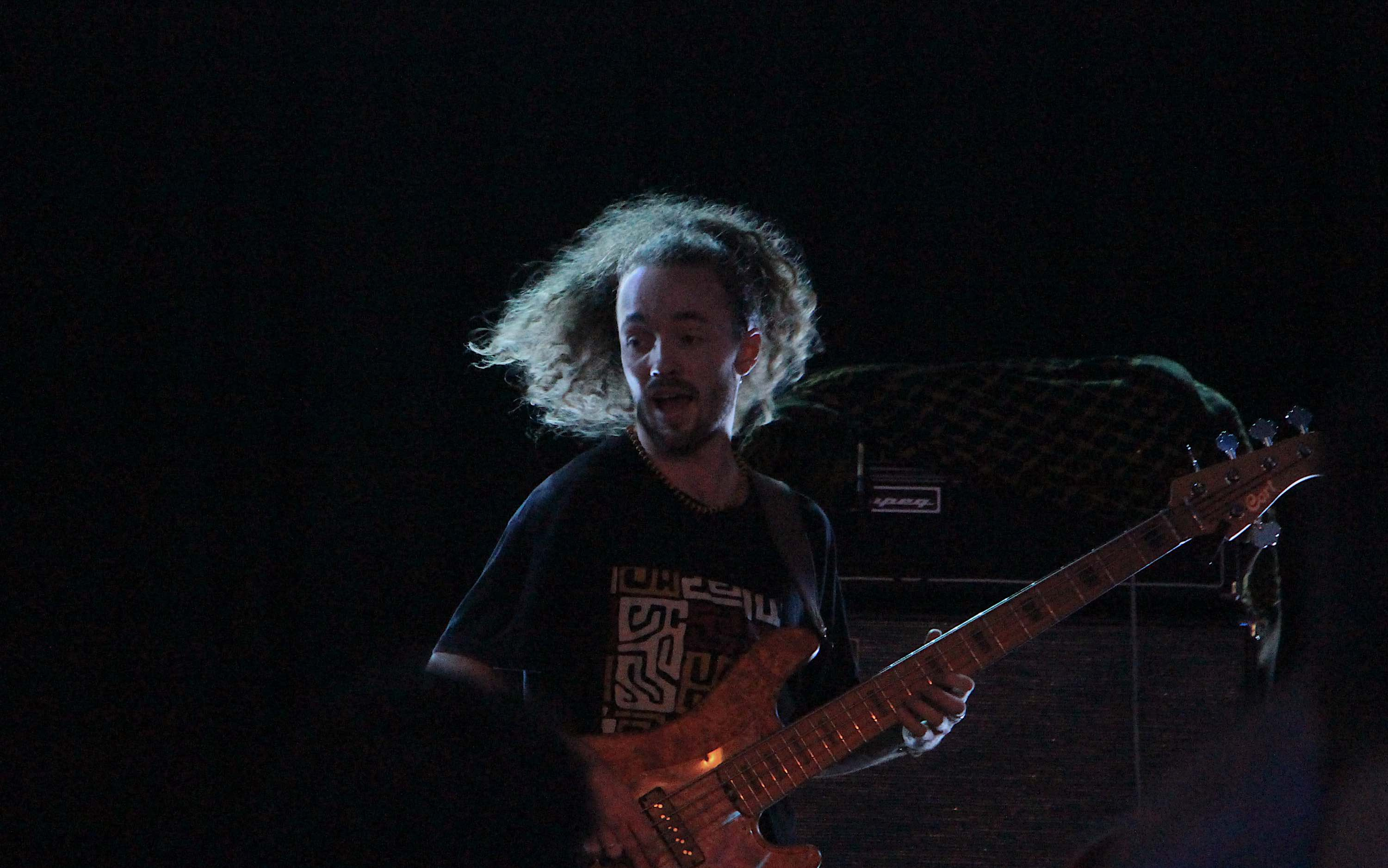
Again, this may seem an obvious point to flag up, or an odd one to stress - but, having grown up (as it were) in the traditions of punk and independent rock, the fluid way musicians in this UK improvised-music world interact with one another always seems jaw-dropping to me. When I was getting seriously into music and the music business (admittedly not as a musician, but at a similar age - mid-20s - to most of these folks), people shifting between bands was rare. It was almost like football - you might occasionally have someone transferred, but they couldn't carry on playing for their old club at the same time as they were turning out for their new one. I appreciate that things are different in jazz - I've got enough 1950s and ‘60s Blue Note albums with shared personnel to grasp that even the members of Miles Davis' second great quintet had the time and the inclination to turn up on other people's records as and when they liked. And while hip-hop changed the world in the 1990s by making the guest cameo an everyday part of the modern album-making process, there was still a sense that this was a competitive environment, and that they were either dropping their guest verse because they were being paid a hefty fee, and/or because they secretly relished the chance to outshine a rival on their own LP. With the current UK jazz crew, there's none of that: these folks are sincere about contributing to each other's art in order to help make it the best it can be. (Not saying that that wasn't true of many of the guest-rapper collaborations, too, of course - just that, to the listener, it wasn't always as obvious.)
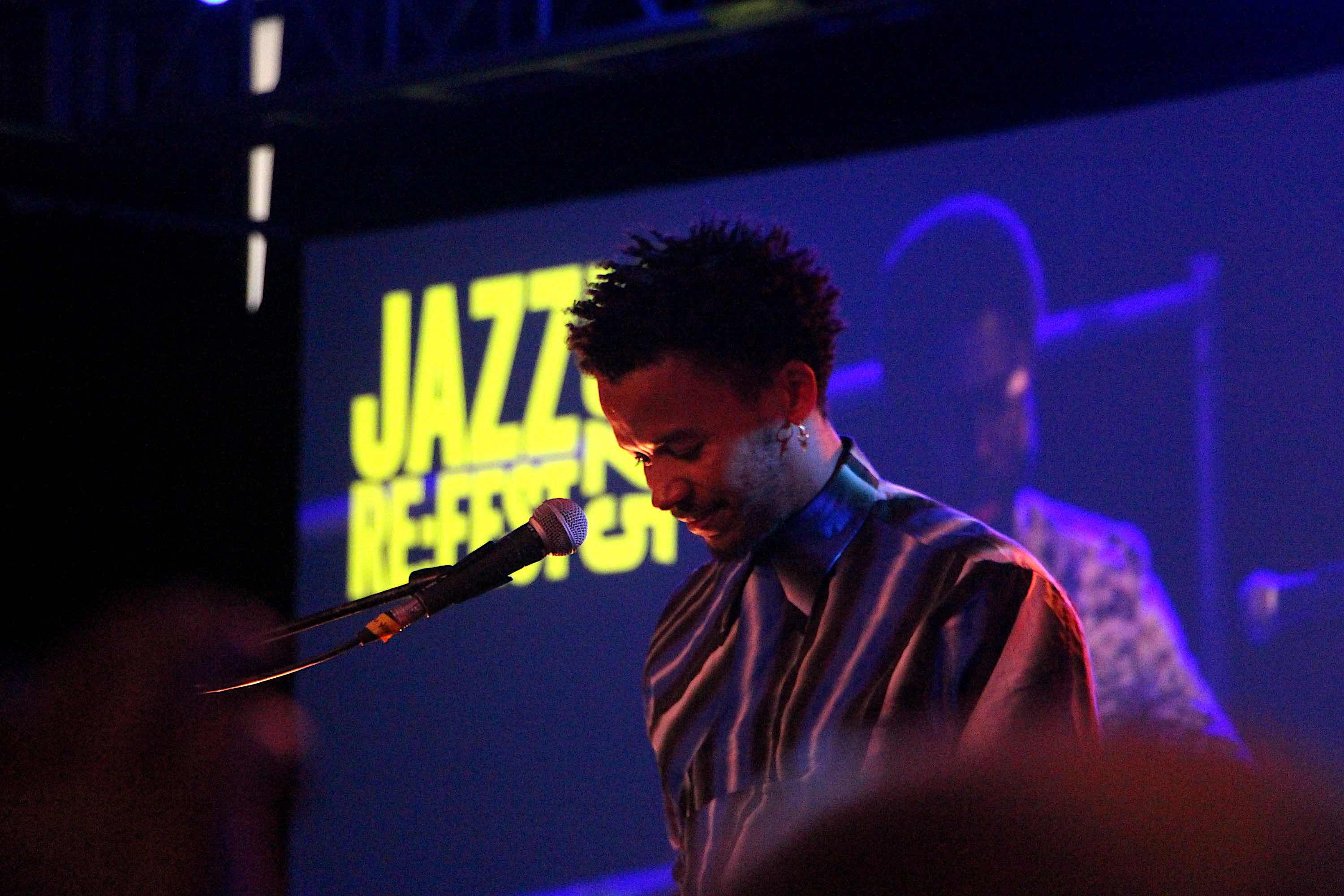
And established artists aren't just looking to big names for some reflected shine: Blue Lab are a case in point here, their line-up for Re:fest including sax player Kaidi Akinnibi, who's appeared on both their last two albums, alongside Lox and bassist Immanuel Simelane, two of the generation who will count BLB among the artists they look up to from those who got started just ahead of them, and who will learn as much from playing with Mr. DM and NK-OK as the latter pair gets from having them on stage. There is also the sense, too, that everyone involved in this music is actively looking for new ideas and new talent, and isn't just keen to absorb those into their own work but to play a part in helping it grow. NK-OK - who has somehow managed to turn the drum machine into an instrument suitable not just for playing live, but improvising with - and Mr. DM are not the only established "name" artists in the scene who are seen as often in the audience at Jazz Re:freshed events as they are on the stage. They may be turning up in a sort of A&R capacity, figuring out who to tap for the next tour or recording session, or assessing new artists with half an eye on future bills for their brilliant Blue Lab Curates series of showcases-cum-jam-sessions at the Royal Albert Hall's Purcell Room - but just as likely is that they're keen to offer support and encouragement to those following in their footsteps. "Giving back" comes in many forms, but few will make as much difference as simply showing up.
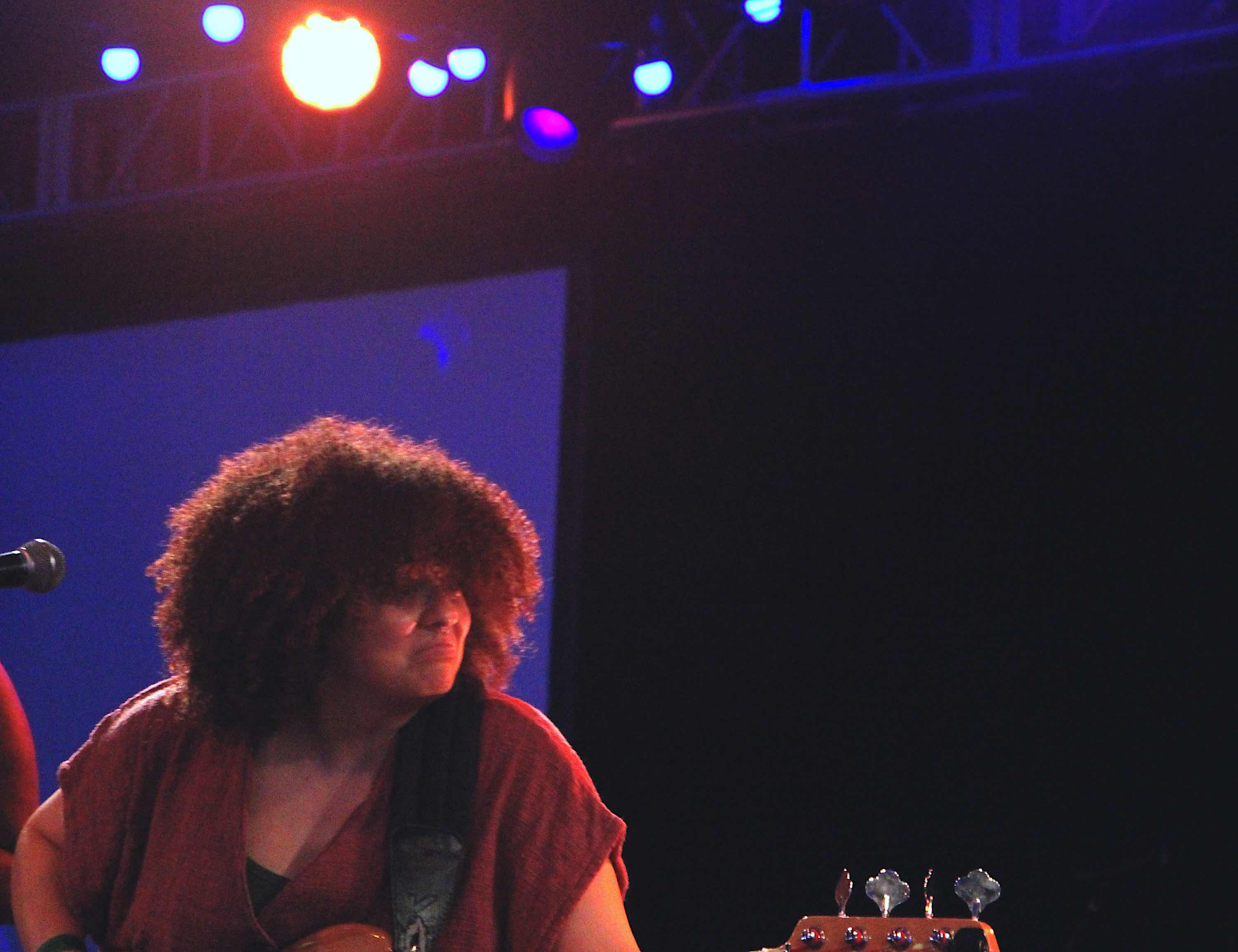
The idea that this is an environment made for and around a free and open exchange of ideas, and the joy that everyone - musicians and audience alike - can derive from that, is ultimately, I think, what has drawn me in to this world and will keep me going back again and again and again. It was present throughout Re:fest, from Isobella Burnham presumably pulling together an outstanding band for a first-rate performance at the last minute, filling a gap in the schedule when Amy Gadiaga had to cancel days beforehand. It was there when Neone the Wanderer, an emcee with the poise of a poet and the soul of a jazz soloist, brought the biggest band of the day despite almost his entire recorded output so far being self-produced. And it was there in the person of Jas Kayser, who found the time between her commitments as a hotlisted live and session drummer for properly big pop and rock stars (she's spent most of the last couple of years recording and touring the world's stadia with Lenny Kravitz) to gather and rehearse her top-notch band for a mid-afternoon set that someone in her current career position really didn't need to play. In all ways, that is, apart from the only one that matters: as she said from the stage, Jazz Re:freshed wasn't just the record label that released her first EP four years ago - the organisation and the people in it were a vitally important part of why she's been able to become the artist she is.

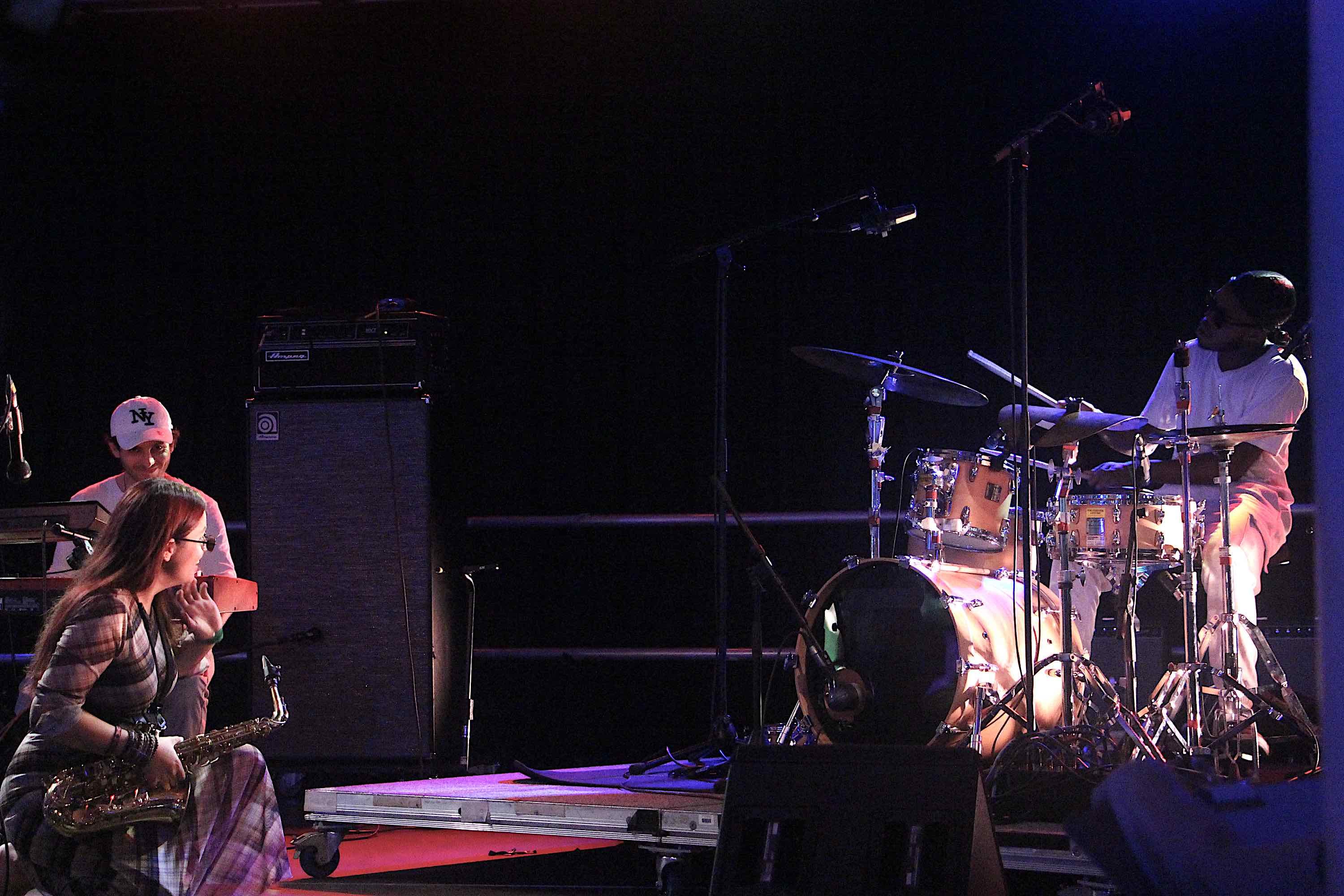
And most vividly and wonderfully, it was there during the euphoric second set of the day, from the brilliant saxophonist Allexa Nava - the set I'd probably been looking forward to the most, since seeing her with a slightly larger band playing the JRF stage at the Brick Lane Jazz Festival in April and feeling the intensity and the committed excitement of their performance almost as if it was a physical sensation. During a sensational solo from drummer Cassius Cobbson - who isn't, first and foremost, a drummer; but I guess we can take the breadth of talent on display at JRF events (and among Tomorrow's Warriors alumni) as a given by now - Nava crouched down, centre stage, so as to not impede anyone's view of Cobbson's playing. For the duration, she and her fellow musicians just stayed rapt, the grins plastered across their faces interrupted only by open-mouthed amazement - which they shared through astonished glances at one another - at what he came up with.
It was all there during that solo: the incredible skill, the sense of being present when something happens that will and can never be repeated, and to know that it's being shared with a room full of people who are willing only good things for one another, who will do anything - from setting aside thoughts of short-term self-interest to, literally, giving their own blood - to make things better for those around them. Jazz Re:freshed may not be responsible for everyone making those choices or feeling those ways: but this brilliant organisation is more than just the conduit that brings them to a public that needs them more than many of us may realise. See you on Thursday.
The last Weekly before Re:fest offered an almost unbetterable example, with a show by Anthony Joseph that crossed the often tricky stretch of emotional landscape that separates the life-affirming from the life-enhancing. When your live band includes Dave Okumu - on bass rather than guitar, but who’s counting? - and his The Invisible bandmate, drummer Leo Taylor, as well as saxophonist Chelsea Carmichael and, on keys, producer/arranger/writer Harvey Grant (Loyle Carner; Geordie Greep; Joy Crookes; Puma Blue), you're always going to be starting from an elevated position. But the gig was off-the-scale incredible, with Taylor more than equal to the considerable challenge of honouring Tony Allen during Joseph's spellbinding act of devotion, ‘Tony’, putting the poet's words into practice as the very air above his drumsticks seemed charged with cosmic energy. But I say "almost", as the week before we'd had a sort of triple dose of what JRF Weekly can bring when Greg Spero brought his Spirit Fingers UK band - including the ubiquitous Lox - for an outstanding evening that featured a guest appearance by former Re:fest headliner Theon Cross. In the week his new album was released. If you want an indicator of how highly regarded these nights are by those who've come through the ranks, that one ought to glow brightly enough.
That steelpan also played a part in what is probably my Number One Jazz Re:freshed moment so far (though the competition for that title is fierce). Watching Lox's band playing their set on the JRF stage at 91 Living Room during the Brick Lane Jazz Festival, I noticed Mr. DM stood among the sold-out crowd squeezed in along the side of the stage, looking over the shoulders of Lox's two keyboard players. He was on the same stage a couple of hours later, playing vibraphone for the blistering Cassie Kinoshi-led Brown Penny, and in the middle of a complicated solo which somehow turned the delicacy and mellifluousness inherent in the instrument into a spiral staircase of increasing intensity, he flung in a riff from a Lox track - not just in time and in key, but almost as if the entire solo had been constructed in order to include it. The effect was both electrifying and magical: and the half of the audience who'd been in the room for both sets collectively lost their minds. Oh, boy. If it was possible to bottle and sell what happened across those few seconds then you'd be richer than Musk, Gates and Buffet combined.